Dairy and Matcha - Why The Two Don't Mix
Why mixing Matcha with dairy milk isn't recommended
If you're new to Matcha Green Tea, the idea of adding milk might seem unusual. Yet it's become increasingly popular worldwide, with creamy Matcha Lattes now the most common way to enjoy this vibrant tea.
Here's what many people don't realise: the type of milk you choose directly affects how well your body absorbs matcha's powerful antioxidants.

The science behind dairy and matcha
Dairy milk contains casein—a protein that binds to catechins, the plant-based compounds in matcha responsible for its health benefits. Catechins are antioxidant powerhouses that help prevent cell damage, reduce free radicals, and offer anti-inflammatory and cardiovascular support.
When casein binds to these catechins, research* suggests it may reduce your body's ability to absorb them—though scientists are still debating the extent of this effect
Some nutrients may pass through your system with reduced absorption, rather than being fully utilised.
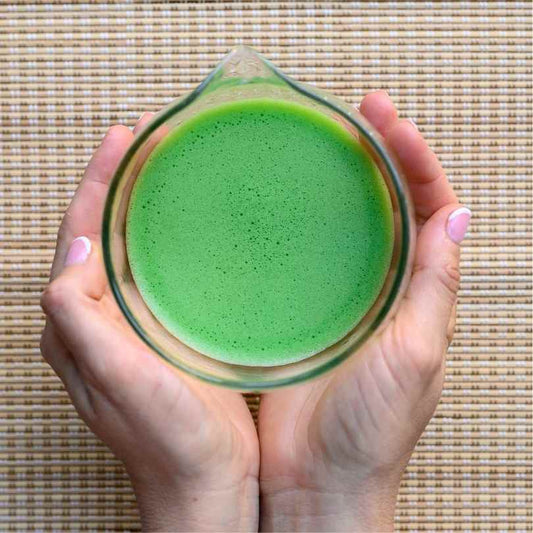
If you're optimizing for maximum antioxidant benefit: Enjoy matcha with water only. This is the purest way to experience matcha's full potential. (Quality powder is essential here—the water won't mask inferior powder.)
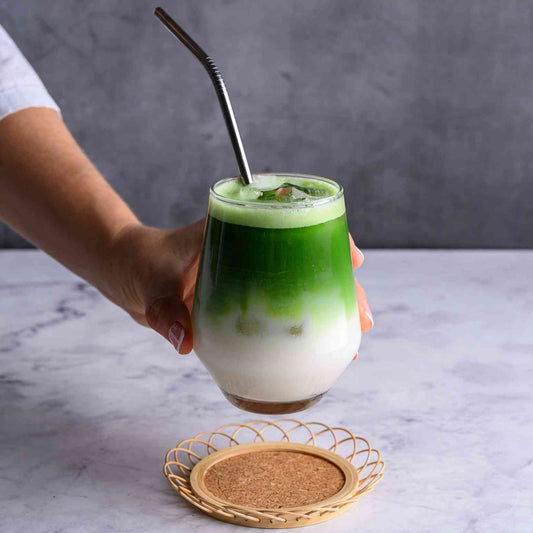
If you love the ritual of a creamy drink: Plant-based milk doesn't compromise quality. Choose unsweetened oat, almond, or macadamia milk. Your high-quality matcha should still taste distinctly green and vibrant—not like sweetened milk with a hint of tea.
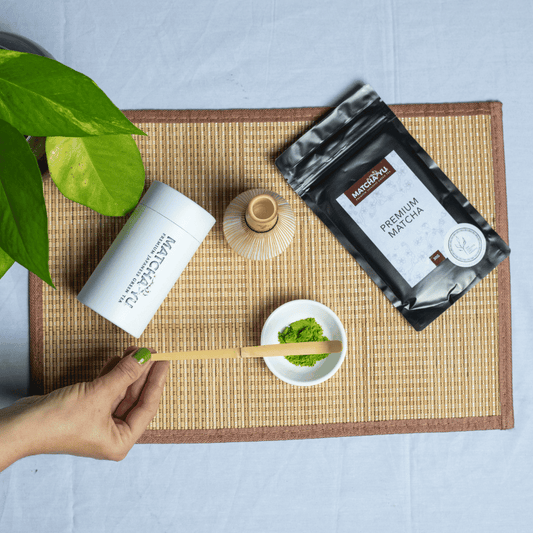
How to prepare a Matcha:
- Measure two bamboo scoops (2-4g) of sifted matcha
- Add 30ml water heated to no more than 80°C
- Whisk or shake to combine and enjoy
- Add plant based milk of your choice

*Research: Haratifar, S., & Corredig, M. (2014). "Interactions between tea catechins and casein micelles and their impact on renneting functionality." Food Chemistry, 143, 27-32. Available here
Experience the difference of premium matcha—taste the full flavour profile with plant-based milk, and enjoy the antioxidant benefits.