Is Matcha a Better Alternative to Coffee for Teens?
Share
Teenagers today are consuming more caffeine than ever before —from coffee and energy drinks to highly caffeinated soft drinks. As Matcha continues to trend globally, more teens are choosing it as an alternative to coffee.
But is Matcha actually a better option for teenagers?
It’s true that Matcha contains caffeine. However, the caffeine in Matcha behaves differently in the body compared to coffee. Understanding how caffeine affects teenagers — particularly sleep, mood, and anxiety — and how Matcha compares can help families make informed choices.
With growing media conversations about caffeine’s impact on young people’s mental health and sleep quality, many parents are reconsidering how much caffeine their teens consume and where it comes from.
The answer isn’t a simple “yes” or “no.” While Matcha does contain caffeine, its unique composition — including the amino acid L-theanine — influences how that caffeine is experienced. Let's explore these differences.
1. L-theanine: Calm, focused energy
A unique component in Matcha is L-theanine, a naturally occurring amino acid known for its relaxing effects on the brain. What makes L-theanine special is that it doesn’t make you feel drowsy—it helps promote a state of calm focus, perfect for long study sessions and in times of exam pressure. Unlike the jittery feelings some people experience with coffee, Matcha is often described as providing a smoother form of energy.
L-theanine works in conjunction with Matcha’s lower levels of caffeine to enhance concentration without overwhelming the nervous system. This combination may help teenagers with focused attention without the sharper stimulation some experience from coffee

2. How Matcha May Feel Different from Coffee
One of the biggest advantages of Matcha over coffee is how it interacts with the body. Coffee’s caffeine hits hard and fast, giving an immediate energy boost followed by a crash and cravings to consume more. This sudden spike can lead to nervousness, energy dips, and increased anxiety—none of which are ideal when you’re studying or taking exams.
Many people describe Matcha as providing a smoother, more gradual release of energy. Its combination of caffeine and L-theanine allows for sustained alertness without the highs and lows that coffee causes. This may help support sustained focus, with a less noticeable energy dip later in the day for some individuals.
3. Matcha Is Better for Anxiety-Prone Students
Some students who feel sensitive to caffeine may find Matcha feels more balanced than coffee. High caffeine levels can often trigger or worsen anxiety and could make it harder to concentrate. L-theanine (in Matcha) has been studied for its calming effects, which may influence how caffeine is experienced. For some teens, this may feel like a more balanced option during periods of increased academic pressure.
4. Steady Energy Without the Crash
One of the most unwanted side effects of coffee is the dreaded caffeine crash. After a quick surge of energy, it’s common to feel tired, sluggish, and unfocused as the effects wear off.
Because Matcha’s caffeine is absorbed more gradually (thanks to L-theanine), some people report a less abrupt drop in energy compared to coffee.

Final notes...
For teenagers preparing for exams, staying focused, calm, and energized is crucial—but also being able to unwind and get adequate sleep too. Matcha may be a more balanced option for teens who already consume caffeine. With its unique blend of L-theanine and caffeine, matcha provides a balanced, gentle energy boost that helps teens concentrate for longer periods without the anxiety and crashes associated with coffee.
If your teen already consumes caffeine, choosing moderate portions of Matcha earlier in the day may feel like a gentler alternative to coffee or energy drinks

How many cups should a teen consume per day?
Many health authorities suggest that adolescents keep total caffeine intake under approximately 100mg per day.
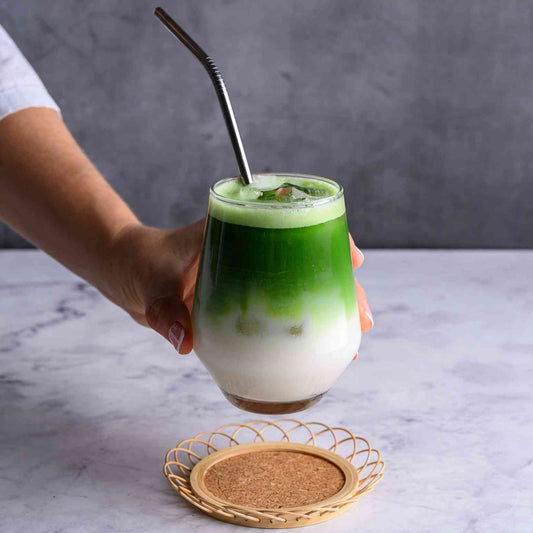
A traditional serving of Matcha (around 1 gram of powder) contains roughly 30–40mg of caffeine. Larger café-style servings, particularly iced Matcha lattes, can contain 3–4 grams of Matcha, which may provide 120mg or more of caffeine in a single drink.
For this reason, portion size matters. One smaller serving — or two lighter preparations earlier in the day — may fall within general caffeine guidelines, provided there are no other significant sources of caffeine being consumed.
It’s also best not to consume Matcha on an empty stomach. Like other sources of caffeine, it may feel stronger when no food has been eaten, which can increase the likelihood of jitters or mild nausea in some individuals. Enjoying Matcha after a meal or alongside breakfast can help create a steadier experience.
What milk should they choose when drinking Matcha Lattes?
Some people prefer plant-based milks, as dairy contains casein proteins that may bind to certain tea antioxidants.
You can read more about this in our blog post on Matcha and dairy here.